


Debunking Myths: Does Root Canal Treatment Really Cause Cancer?

Understanding Root Canal Treatment

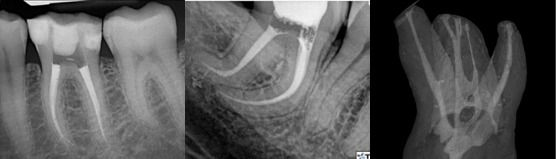
Root canal treatment is designed to save a tooth that is infected or decayed. In this procedure, your dentist removes the infected pulp from inside the tooth, cleans the area, and seals it. This treatment not only alleviates pain but also preserves your natural tooth, which is often better than opting for extraction.
According to the American Association of Endodontists, approximately 15 million root canals are performed in the United States each year, emphasizing their importance as a common dental solution.
Despite its benefits, fears and myths surrounding root canals often deter people from seeking necessary treatment. One of the most alarming misconceptions is the belief that root canal treatment can cause cancer.
The Origins of the Myth
The notion that root canals lead to cancer can be traced back to the early 1900s. Dr. Weston Price, a dentist, conducted studies suggesting that leftover bacteria after a root canal could result in systemic diseases, including cancer. However, his theories have been discredited by contemporary researchers.
In fact, an extensive review published in the Journal of Endodontics found no credible evidence linking root canal treatment to cancer. Renowned dental organizations like the American Association of Endodontists have firmly stated that root canals are safe and effective procedures. They highlight that claims connecting these treatments to cancer are unfounded.
The Science Behind Root Canals
Understanding the mechanics of root canal treatment helps clarify why it does not lead to cancer. When a tooth becomes infected, bacteria can spread to surrounding tissues, posing severe health risks if left untreated. Root canal treatment removes this infected material, preventing further complications.
That said, not all root canal treatments are performed with the same precision. Not all doctors are made equal — we are human after all. Sometimes, when a root canal is not done thoroughly, residual infection may persist inside the tooth. This can cause recurring inflammation or reinfection, not because the procedure itself is harmful, but because the infection was not fully removed. This is why seeking a skilled and meticulous endodontist is essential to ensure lasting results.
A study published in the Journal of Dental Research found that 86% of patients who underwent root canals experienced significant pain relief and preserved their teeth. By eliminating harmful bacteria, this treatment not only saves teeth but also contributes to better overall health.
Holistic Perspectives on Dental Health
For those who lean towards a holistic approach, it's important to note how root canal treatment fits into natural dental care. Many holistic dentists advocate for preserving teeth as a means to support overall health, and root canals represent a significant method of achieving this.
While concerns exist about any dental procedure, consider the facts: research shows that root canal treatments boast a success rate of approximately 95%. Preserving a natural tooth is beneficial not only for oral health but overall well-being, helping avoid complications from tooth loss.
Interestingly, some discussions linking root canals and cancer may stem from a misunderstanding of cause and effect. People who are prone to chronic infections or inflammation may have an underlying susceptibility in their immune system — the same kind of biological vulnerability that might later contribute to cancer development. In other words, it’s not that the root canal causes cancer, but rather that the same health factors that made you prone to infection in the first place may also make you more likely to face other illnesses later on.
This highlights the importance of addressing systemic health and not blaming a single dental procedure for a much broader health issue.
Addressing Concerns About Toxicity
Another concern often discussed in the context of root canals is the safety of the materials used in the procedure. Some patients worry that filling materials could pose health risks. However, it is important to understand that materials used in modern dentistry undergo rigorous testing to ensure their safety and biocompatibility.
The American Dental Association confirms that the substances employed in root canal treatments are safe for patients. Moreover, the risk of developing cancer from these materials is negligible compared to the serious complications that untreated dental infections can cause, such as abscesses and bone loss.
The Importance of Choosing a Qualified Dentist
Choosing a qualified and experienced dentist is crucial if you're considering a root canal. A skilled endodontist will perform the procedure safely and effectively, reducing any potential risks. They can also provide detailed information about the materials they use and answer any concerns you may have.
Open discussions about your health history, along with any holistic preferences, are vital. A collaborative approach with your dentist can enhance your comfort and confidence in your treatment plan.
Final Thoughts: The Facts Speak for Themselves
The idea that root canal treatment causes cancer is simply a myth. Extensive research and the consensus among dental experts confirm that root canals are safe and effective procedures that can save your teeth and improve your overall health.
As a dental patient, seeking accurate information and consulting qualified professionals is essential. If you have questions or concerns regarding root canal treatment or any other dental procedures, reach out to your dentist for clarification.
By debunking these myths and focusing on the facts, you can make informed choices about your dental health. Remember, taking care of your teeth is an investment in your overall well-being — and root canal treatment, when done properly, can be a vital part of that journey.

By dispelling myths about root canal treatment, patients can make informed choices without unnecessary fears. Your dental health matters, and knowing the truth can help you take charge of your oral care.
Stay informed, stay healthy, and make choices based on facts, not fiction!


Comments